|
foto8
Reviews  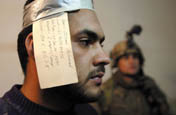 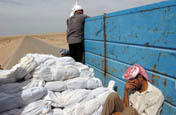 title: Why Mister, Why? by: Geert van Kesteren publisher: Artimo Euro cost: £24.95 (544pp Softback) www.artimo.net |
|
troops casually rifling through private family photo albums and male soldiers ostentatiously body-searching women civilians. All this had a profound effect on Hirsh: “I realised the Bush administration truly had no clue what it was doing in Iraq. Like a hidden generator, the occupation itself, I realised, was sustaining the insurgency.” He concludes: “[Yet] it is by now quite clear to anyone with a clear mind and honest heart that the US fought a war with Iraq that simply did not have to be fought.” Van Kesteren stayed for seven months in Iraq but was embedded for only about six weeks on assignment for Newsweek. In Samarra, he gained the trust of the soldiers on the ground, who effectively controlled him since the official military press officers never went on these dangerous raids. These soldiers had been in Iraq for 10 months without a translator, and had no way of knowing who were the suspects, so they adopted the simple solution of arresting almost every male they came across. They saw all Iraqis as the enemy and since they thought they were doing nothing wrong, they allowed van Kesteren to photograph everything. Just occasionally, they would stop beating a civilian and tell him: “You’re lucky, Newsweek is here tonight.” Both Hirsh and van Kesteren retain an element of sympathy for the troops on the ground. They were expected to carry out a counter-insurgency role they were not trained to do. The raids witnessed were, as Hirsh puts it, the soldiers’ “only interludes of empowerment ... ‘Geneva Convention’ was not a term often heard at 3am in Samarra, not when you think everyone is against you.” One US officer had made an effort to learn Arabic and understand the Iraqi mind, but after many months, even he concluded: “The Iraqis will never like us, so they better fear us.” There are some legitimate criticisms to be made about the presentation of Why, Mister, Why? The picture editing is too indulgent; many repetitive images communicate the same visual meaning. Most photographs are presented as double-page spreads but sometimes an important part of the image disappears into the centrefold. The chapter headings and anecdotal texts are irritatingly placed in the centre of a double page photograph, tempting you to rip them out. The lack of individual captions does not always help overall understanding of the work. On the plus side, the physical feel of the book is decidedly anti-coffee table, more like an extended magazine, smaller than A4, with quite flimsy paper that has serrated edges. All the text is in both English and Arabic, adding a sense of seriousness. The book finishes on a despairing note with a horribly graphic series on the Baghdad car bombings: “The man was drenched from head to toe in his son’s blood. ‘My life is over,’ was all that he said,” relates van Kesteren. Michael Hirsh, the writer, acknowledges his debt to van Kesteren, the photographer: “[But] too often the reporters tend to take the lensman for granted, as if they were there merely to add art to their words. This was one case where a photographer saw what was happening first and led one reporter to the well and bade him drink.” Why, Mister, Why? restores one’s faith in the capacity of photojournalism to engage, reveal and comprehend. It should be compulsory viewing for anyone who still believes in the American Dream. As many ordinary Iraqis declared to van Kesteren: “If this is democracy, then they can keep it”. CJ |
 |
All Rights Reserved © foto8 2005